
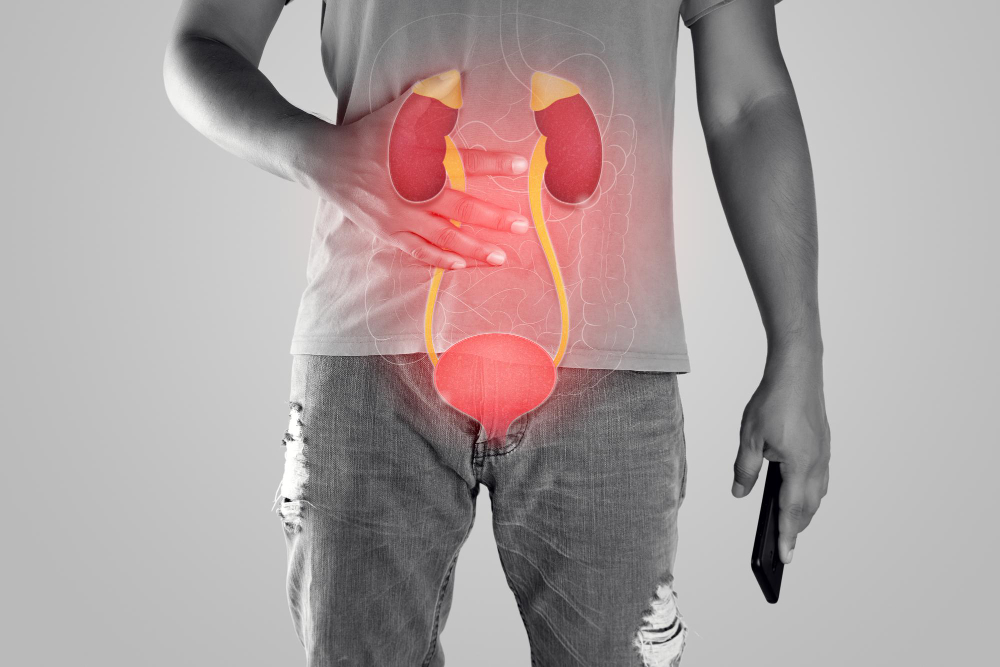
Urinary tract infections (UTIs) are one of the most frequent infections that adults will experience. They may have mild symptoms at first, but if no action is taken by visiting the doctor, then the infection can worsen, leading to more severe health problems.
Seeking a timely medical evaluation can help relieve symptoms and support a faster recovery. If you are suffering from a UTI, then seeking medical attention as early as possible will help you lead a better life.
UTI is an infection of the urinary system caused by the growth of bacteria in the system. The infection may involve various sections of the urinary tract, such as:
UTIs are almost always in the lower tract (bladder and urethra). Without treatment, it can spread to the kidneys and cause a more severe infection.
Early detection will enable you to receive treatment when your infection is still mild. Below are some symptoms that you should not overlook.
In more severe cases, symptoms may include:
These symptoms may indicate that the infection has spread beyond the bladder and requires prompt medical attention.
Many people think that a UTI will go away by itself. But delayed treatment may cause some problems.
Advantages of Early Detection
UTI symptoms need to be diagnosed immediately when they appear, not when they become worse.
Getting advice from health practitioners about Urinary Tract Infection Treatment will help identify the source of infection and recommend the best methods of treatment.
Comprehensive Evaluation
Diagnosing urinary tract problems may involve:
All the above will help identify the severity of the infection.
Targeted Medication
Most bacterial UTIs are treated with antibiotics prescribed according to the infection type and patient history. Benefits include:
Many patients begin to notice symptom improvement within 24-48 hours of beginning the treatment, but finishing the whole course of medication is very important.
Convenient Access to Care
One of the advantages of seeking Urinary Tract Infection Treatment in NY is the availability of same-day medical care and urgent evaluation services. This means that one may be able to have:
Accessing quick healthcare helps reduce the time taken from when symptoms begin to when treatment starts.
Recovery period may differ from one patient to another.
Severity of Infection
Infections that only affect the bladder usually take less time to heal than those that affect the kidneys.
Time When The Treatment Started
Getting treatment immediately when experiencing symptoms helps in speeding up the healing process.
Overall Health
Individuals with certain health conditions may require additional monitoring and treatment.
Following Medical Instructions
Recovery is often more successful when patients:
Although medical treatment addresses the infection, healthy habits can support recovery.
Hydration Tips
Staying well hydrated helps increase urine flow, which may assist in flushing bacteria from the urinary tract.
Avoid Irritating Beverages
Consider limiting:
These beverages may increase bladder irritation in some individuals.
Get Adequate Rest
Rest allows your body to focus energy on fighting infection and healing.
Monitor Symptoms
Seek medical attention if you experience:
These signs may indicate a more advanced infection.
Although not every infection can be prevented, certain habits may reduce your risk.
Helpful Prevention Strategies
Follow the healthcare practitioner’s advice in cases of recurring infections. Those patients who experience recurring UTIs need to discuss preventive measures with their healthcare professionals.
Do not ignore symptoms that suggest a more serious infection. Warning signs include-
Prompt evaluation can help prevent complications and protect kidney health.
Urinary tract infections may impact your daily activities. If UTIs go undiagnosed and untreated, the symptoms may get worse. You will benefit from getting the appropriate UTI treatment in NY to help you recover faster and prevent any complications from occurring. The aim of medical professionals in offering treatment for UTIs is to find out the underlying causes of infection and treat them accordingly.
Getting diagnosed, treated, and following up in time is essential in ensuring that you recover comfortably. If you recognize the signs and symptoms of UTIs, visiting a doctor will be one of the steps towards your recovery. For immediate evaluation and treatment, Walk In Clinic of NYC can offer same-day service to patients who visit.
1. How soon will my symptoms be relieved from the UTIs after treatment?
For many people, improvement of symptoms takes place in 24-48 hours from the start of using prescribed antibiotics, but it is important to follow the treatment until the end.
2. Can a UTI cure itself without any treatment?
A milder case of UTI may get better on its own; however, most cases of bacterial UTIs need to be treated by a specialist in order to avoid complications.
3. What tests are used to establish UTIs?
Generally, tests such as urine analysis and urine culture tests are performed by the doctors in order to detect the source of infection.
4. When do I have to visit my doctor with UTI symptoms?
You need to visit your doctor in case you experience one of these symptoms: painful urination, frequent urge to urinate, pelvic pain, blood in your urine, or fever.
5. How do I prevent UTIs repeatedly?
There are various ways that one can adopt to minimize the chances of getting UTIs, such as
Staying hydrated