
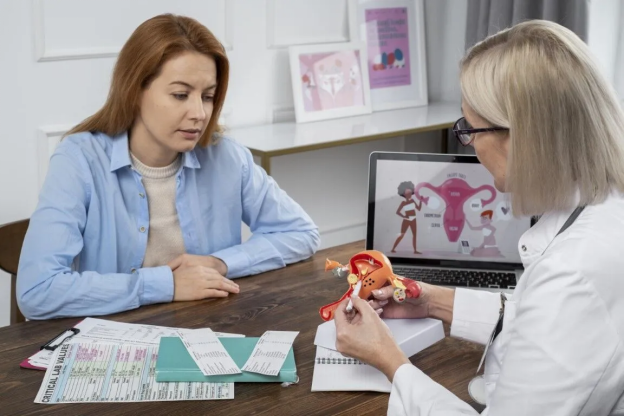
Sexually transmitted diseases (STDs) have always remained a major public health concern as they affect people of all age groups, genders, and backgrounds. Seeking timely care from a sexually transmitted disease clinic in New York is one of the most effective ways to receive early treatment when needed. While many STDs are preventable, a lack of awareness, delayed testing, and misinformation continue to contribute to their spread.
Understanding how STDs are transmitted and adopting preventive practices can significantly reduce risk and protect long-term health. In this blog, we will discuss all about that and help you lead to a better, healthier tomorrow.
Key Takeaways
STDs are abbreviated for sexually transmitted diseases and are caused mainly by contact during vaginal, oral, and anal penetrative sexual encounters between partners. Some of the STDs known to exist include chlamydia, gonorrhea, syphilis, herpes, HPV, HIV, and trichomoniasis.
Some may have visible symptoms, while others are asymptomatic and go unnoticed for long periods of time, posing risks of transmission to other people as well. Early diagnosis is essential. Visiting the sexually transmitted disease clinic, which is a reliable organization in New York, helps ensure that infections are treated before complications set in.
Preventing STDs also involves more than just sidestepping discomfort. Some STDs, if left untreated, can create serious health problems, such as:
| Do’s | Don’ts |
|---|---|
| Practice safe sex using condoms consistently | Don’t assume a partner is STD-free without testing |
| Do get regular STD screenings | Don’t ignore symptoms like itching, pain, or discharge |
| Do communicate openly with sexual partners | Don’t rely on appearance or trust alone |
| Do get vaccinated for preventable STDs (HPV, Hepatitis B) | Don’t delay treatment if exposed or symptomatic |
| Do limit the number of sexual partners | Don’t share personal items that may transmit infections |
| Do seek care from a certified STD clinic | Don’t stop medication before completing treatment |
Proper usage of the condom or the dental dam during each intercourse significantly helps avoid the transmission of STDs. Though nothing can guarantee 100% effectiveness, the use of the barrier method ranks among the safest means.
One must undergo regular testing for these diseases, particularly if one is sexually active with various sex partners. They may not show any signs or symptoms, and therefore, one must get tested at a sexually transmitted disease clinic in New York regularly.
Open and honest communication about sexual health is key to building a culture of trust and shared responsibility. Testing and preventive practices should be discussed before sexual acts.
There are vaccinations for some of the STDs, such as HPV and Hepatitis B. These vaccinations are an additional preventive measure to stay up to date.
The user may also lose their judgment, which may lead to irresponsible sexual behavior. It is, therefore, important to make informed decisions.
You should think about going to the sexually transmitted disease clinic in New York when you:
A professional clinic will provide you with confidential testing, expert advice, and immediate treatment solutions rather than having you wait.
To avoid being affected by sexually transmitted diseases, responsible actions should be taken by both partners. Follow-up care is a major aspect in preventing complications that may cause stress. With the Walk in Clinic of NYC, a reputable sexually transmitted disease clinic in New York, you will be able to obtain accurate information promptly before a major issue develops.
We ensure that all your information is protected and provide you with quick STD testing so that you can take control of your sexual health. You can schedule an appointment with us by visiting our website or calling to get tested for STDs. Contact us now and gain peace of mind.